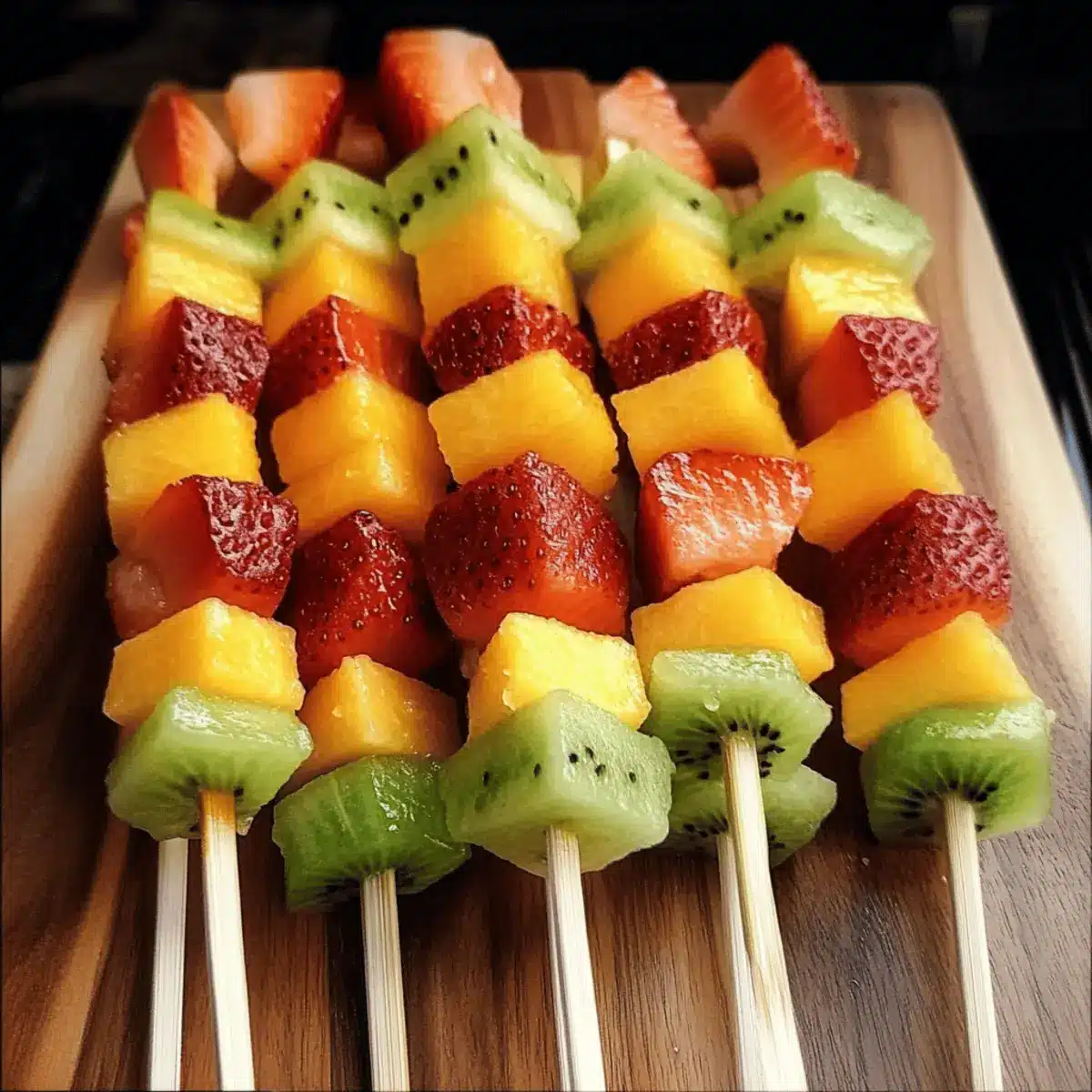
Crafting Delicious Fruit Kabobs: Easy Tips for Fresh & Firm Skewers
There's something inherently delightful about vibrant fruit kabobs. These colorful skewers transform simple fruit into an eye-catching, refreshing, and incredibly convenient treat. Whether you're planning a summer barbecue, a healthy snack for the kids, a festive party platter, or just looking for a light and juicy pick-me-up on a hot day, fruit kabobs consistently hit the mark. They're a celebrated blend of natural sweetness, tantalizing tartness, and satisfying texture, offering a guilt-free indulgence that appeals to all ages. What truly sets them apart is their versatility, ease of assembly, and undeniable charm. Forget messy fruit salads; fruit kabobs offer a perfectly portioned, less-mess way to enjoy nature's candy.
But the secret to truly outstanding fruit kabobs lies not just in choosing delicious fruits, but in selecting and preparing them correctly to ensure they remain firm, fresh, and beautiful on the skewer. Nobody wants a kabob with mushy, falling-apart fruit! This comprehensive guide will walk you through everything from selecting the ideal produce to ingenious assembly techniques and clever tips for keeping your sweet and refreshing fruit kabobs at their peak, ensuring every bite is as perfect as the last.
The Foundation of Flavor: Choosing the Perfect Fruits for Your Kabobs
The success of your fruit kabobs begins long before you even pick up a skewer – it starts at the grocery store. The key is to select fruit that is ripe, flavorful, and, crucially, firm enough to withstand the skewering process without tearing or turning to mush.
- The Ripe, But Not Overripe, Principle: Aim for fruit that is sweet and mature, but still retains a good amount of firmness. Berries, for instance, should be plump and brightly colored but not soft or bruised. Grapes should be taut, not wrinkly. Kiwis should yield slightly to gentle pressure but not feel squishy. Overly ripe fruit will struggle to stay on the skewer, potentially tearing during assembly or sliding off later.
- A Kaleidoscope of Choices: While virtually any fruit can be skewered, some are more popular and reliable.
- Berries: Strawberries, blueberries, raspberries, and blackberries offer a mix of sweet and tart, and their vibrant colors are indispensable. Choose larger strawberries that can be halved or quartered for easier skewering.
- Grapes: Both red and green grapes are excellent choices, providing a satisfying snap and a balance of sweetness (red) and tartness (green).
- Citrus & Tropicals: Mandarin orange segments are perfectly bite-sized and bursting with juicy sweetness. Pineapple chunks, mango, and papaya add a tropical flair and hold their shape well.
- Melons: Cantaloupe, honeydew, and watermelon can be cut into beautiful shapes with cookie cutters, adding visual interest. Ensure they are firm and not watery.
- Kiwi: Sweet, juicy, and slightly tart, kiwi slices add a unique green hue. Make sure they are firm enough to avoid tearing.
- Considering Size and Texture: When choosing your fruits, visualize them together on a skewer. Try to select fruits that, when cut, will result in similar bite-sized pieces. This ensures an even distribution of flavors and makes the kabobs easier to eat. Soft fruits like raspberries should be interspersed with firmer fruits to provide structural support.
Mastering the Art of Assembly: Tips for Firm and Beautiful Fruit Kabobs
Once you've gathered your perfect produce, the next step is to prepare and assemble your fruit kabobs with care. Thoughtful preparation ensures they look appealing and stay intact from plate to mouth.
- Thorough Washing and Drying: Always wash all your fruits thoroughly under cool running water. For berries and grapes, a gentle rinse is sufficient. For larger fruits with rinds, you can scrub them. After washing, gently pat everything dry with a paper towel. Excess moisture can make fruit slippery and harder to skewer securely.
- Precision Cutting:
- Uniformity is Key: Cut larger fruits (like strawberries, melons, pineapples) into pieces that are roughly the same size as your smallest whole fruits (like grapes or blueberries). This uniformity is essential for aesthetics and ease of eating.
- Strategic Shapes: Experiment with different cuts. Cubes are classic, but melon balls, star-shaped pineapple, or zigzag kiwi slices can add a gourmet touch. Remember that intricate shapes might be more delicate to skewer.
- Handle with Care: Be gentle when cutting softer fruits like kiwis or overripe mangoes to prevent bruising or tearing.
- The Skewering Technique:
- Center is Best: For most fruits, aim to thread the skewer through the center of the piece. This provides the most stability.
- Don't Overcrowd: Leave a little space between fruit pieces to allow air circulation and prevent them from crushing each other. Also, leave a small handle at the bottom of the skewer for easy gripping.
- Alternating Colors and Textures: While rainbow patterns are popular and visually stunning (red, orange, yellow, green, blue, purple), don't be afraid to alternate flavors and textures. For example, a tart green grape followed by a sweet strawberry, then a creamy banana slice. This keeps each bite interesting.
- To Soak or Not to Soak? If you plan to grill your fruit kabobs (which can be a delicious twist, caramelizing the sugars!), always soak wooden skewers in water for at least 30 minutes prior. This prevents them from burning on the grill. For raw, uncooked fruit kabobs, soaking is not necessary.
Beyond the Skewer: Enhancing and Preserving Your Fruit Kabobs
Making fruit kabobs is just the beginning. To truly elevate them and ensure they stay fresh and appealing, consider these additional tips:
- Preventing Browning: Some fruits, like apples, bananas, and pears, are prone to oxidation and will brown quickly once cut. To combat this, gently toss these fruits in a bowl with a light coating of citrus juice (lemon, lime, or even pineapple juice) before skewering. The ascorbic acid in the juice acts as a natural preservative, keeping them looking fresh.
- Dips and Accompaniments: While delicious on their own, fruit kabobs truly shine when paired with complementary dips.
- Yogurt Dips: A simple Greek yogurt mixed with honey and a touch of vanilla or cinnamon makes a healthy, creamy dip.
- Chocolate Fondue: For a decadent treat, a warm chocolate fondue is an irresistible pairing, especially with berries and bananas.
- Cream Cheese Dips: Blend softened cream cheese with powdered sugar and a hint of orange zest for a tangy-sweet option.
- Honey-Lime Glaze: A light drizzle of honey mixed with lime juice can enhance the natural sweetness and add a zesty kick to your fruit.
- Serving and Storage Tips:
- Chill Before Serving: Fruit kabobs are best served cold and refreshing. Prepare them in advance and store them in the refrigerator until ready to serve.
- Presentation Matters: Arrange your fruit kabobs artfully on a large platter. You can stand them upright in a decorative vase or lay them flat in colorful rows.
- Meal Prep Friendly: Fruit kabobs are excellent for meal prepping. Assemble them and store them in an airtight container in the refrigerator for 2-3 days. If using browning-prone fruits, apply citrus juice.
- Perfect Pairings: Serve your fruit kabobs alongside a fresh summer salad, as a light dessert with cake, or as a vibrant addition to any brunch spread. They’re a fantastic, healthy alternative to heavier snacks.
From lively parties to quiet afternoon snacks, fruit kabobs offer an unbeatable combination of health, convenience, and aesthetic appeal. By following these easy tips for selecting firm, fresh fruits and mastering the art of assembly, you’ll be crafting picture-perfect skewers every time. Embrace the endless possibilities of colors, flavors, and textures, and enjoy the refreshing delight these simple yet elegant treats bring to any occasion.
