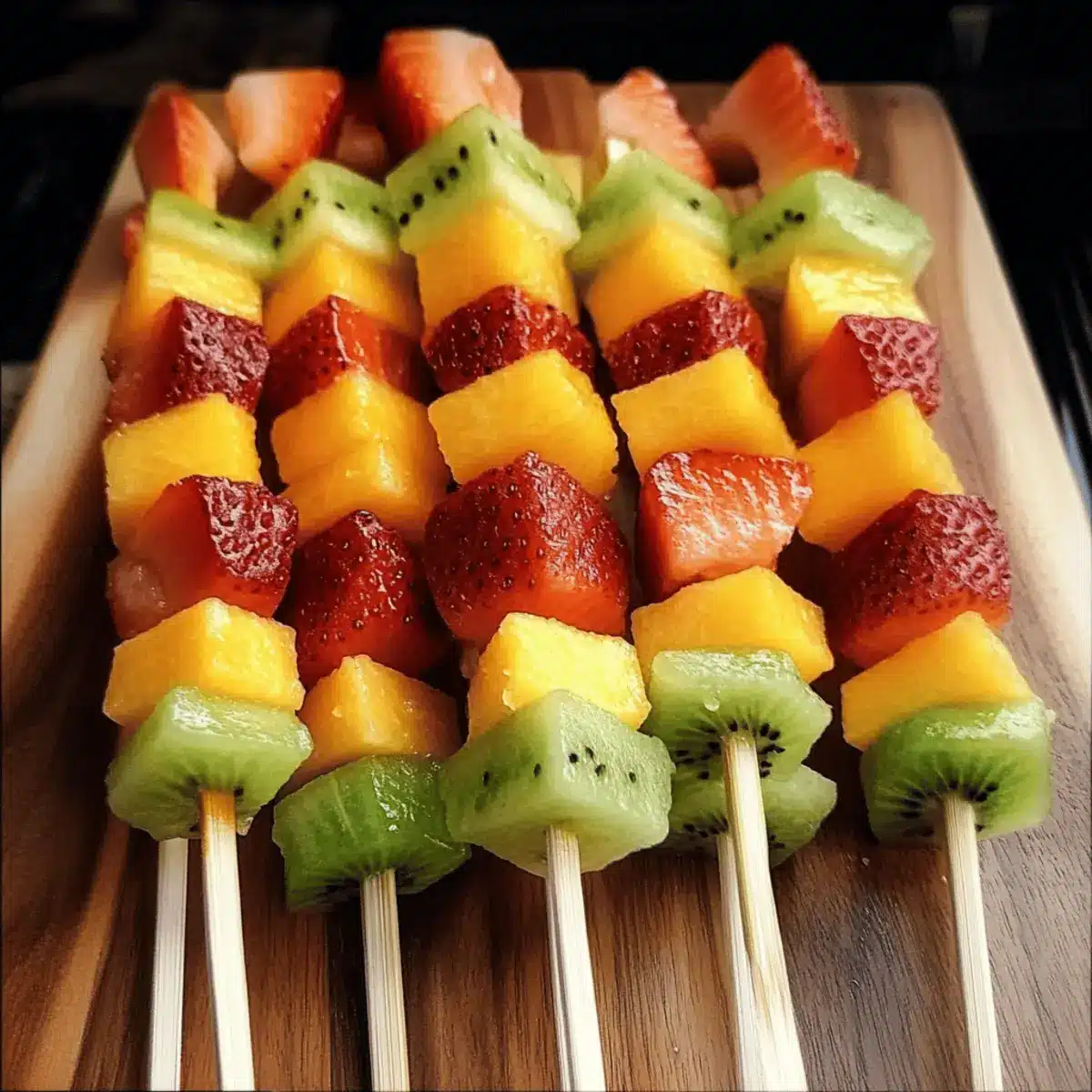
Sweet & Refreshing Fruit Kabobs: Your Go-To Healthy Treat
In a world brimming with convenient but often unhealthy snack options, there's a simple, vibrant, and utterly delicious alternative that stands out: the humble, yet magnificent, fruit kabob. These colorful skewers are more than just a treat for the eyes; they're a symphony of sweet, tart, and juicy flavors, offering a refreshing escape, especially on a warm day. Whether you're a health enthusiast seeking a guilt-free pleasure, a busy parent looking for an easy kid-friendly snack, or a host aiming to impress guests with minimal effort, fruit kabobs are your quintessential go-to. They transform fresh fruit from a simple bowl into an attractive, portable, and inherently fun eating experience.
Fruit kabobs embody the best of nature's candy. They are naturally sweet, packed with essential vitamins and fiber, and incredibly hydrating. Beyond their nutritional prowess, their versatility is unmatched. From an elegant addition to a brunch spread to the star attraction at a summer barbecue, these skewers effortlessly adapt to any setting. They represent a smart, delicious way to increase your daily fruit intake, proving that healthy eating can be both easy and incredibly enjoyable.
Why Fruit Kabobs Are Your Perfect Healthy Indulgence
Fruit kabobs aren't just a pretty face; they are a powerhouse of benefits disguised as a delightful snack. At their core, they offer a truly healthy indulgence, satisfying sweet cravings without the empty calories and added sugars often found in processed treats. Each bite delivers a burst of natural goodness, from the vitamin C in strawberries and oranges to the antioxidants in blueberries and raspberries. They are a fantastic source of dietary fiber, promoting digestive health and keeping you feeling full and satisfied, making them an excellent choice for managing hunger between meals.
Beyond their nutritional profile, fruit kabobs shine in their sheer convenience and adaptability. Imagine a grab-and-go snack that requires no plates, no utensils, and creates minimal mess – perfect for picnics, school lunchboxes, or even a quick energy boost at your desk. For those hot summer days, a chilled fruit kabob is an unparalleled hydrator, providing natural fruit juices that refresh and revitalize. They are also incredibly versatile, fitting seamlessly into various dietary preferences, including vegan, gluten-free, and paleo lifestyles.
Moreover, fruit kabobs are a phenomenal way to encourage healthier eating habits, especially for children. The vibrant colors and playful format make fruit instantly more appealing, turning snack time into a fun and engaging activity. Their "choose your own adventure" aspect, allowing for different fruit combinations and personalized skewers, adds an element of excitement. From casual family gatherings to more formal celebrations like baby showers or holiday parties, these vibrant arrangements bring an instant pop of color and a touch of wholesome elegance, proving that healthy can indeed be delicious and exciting.
Crafting Your Colorful Masterpiece: Choosing & Preparing Fruit
The magic of
crafting delicious fruit kabobs lies in the careful selection and preparation of your ingredients. While nearly any fruit can find its way onto a skewer, the key is to choose varieties that not only offer a spectrum of flavors and colors but also possess the right texture to remain firm and intact.
Selecting the Perfect Fruit
When it comes to choosing your fruit, think ripe, but firm. Overly soft or mushy fruit will tear easily when skewered and might slide off, making for a less appealing presentation and a messy eating experience.
Here are some top picks that offer a delightful mix of flavors and textures:
*
Berries: Strawberries, blueberries, raspberries, and blackberries are perennial favorites. Strawberries and raspberries offer a soft, juicy burst, while blueberries and blackberries provide a slightly firmer pop. Their sweet and tart notes are essential.
*
Grapes: Both red and green grapes are excellent choices. Red grapes tend to be sweeter, while green grapes can offer a more tart counterpoint, creating a beautiful flavor balance and visual contrast. Their natural spherical shape makes them perfect for skewering.
*
Kiwis: Sweet, juicy, and slightly tart, kiwis add a unique flavor and a stunning green hue. Make sure they are firm enough to hold their shape when sliced.
*
Citrus: Mandarin orange segments are perfectly sized and offer a sweet, tangy burst. Larger orange slices can be cut into smaller segments or wedges.
*
Melons: Cantaloupe, honeydew, and watermelon balls (scooped with a melon baller) are hydrating and add refreshing sweetness. Ensure they are firm enough.
*
Pineapple: Cubed pineapple brings a tropical sweetness and a lovely texture.
*
Bananas: While delicious, bananas oxidize quickly. If using, they should be prepared just before serving or treated to prevent browning (more on this below).
*
Mango: Cubed mango offers a lush, tropical sweetness.
For the most visually appealing kabobs, aim for a rainbow of colors. Imagine vibrant reds from strawberries, oranges from mandarins or cantaloupe, yellows from pineapple, greens from kiwi and green grapes, and purples from blackberries or red grapes.
Preparation Tips for Pristine Skewers
1.
Wash and Dry Thoroughly: Always wash all your fruit under cool running water and then pat it completely dry. Excess moisture can make fruit slip and tear.
2.
Uniform Sizing: Cut larger fruits into bite-sized pieces that are roughly consistent with your smallest fruit (like a grape or a blueberry). This ensures even distribution on the skewer and a more cohesive look and feel.
3.
Skewering Technique: Gently thread the fruit onto the skewers. Don't overcrowd them; leave a little space between each piece to prevent tearing and allow for easy eating. Alternate colors and textures for maximum appeal.
4.
Skewers: While most fruit kabobs are served raw, if you plan to grill your fruit for a smoky, caramelized twist, remember to soak wooden skewers in water for at least 30 minutes beforehand to prevent them from burning.
Beyond the Skewer: Creative Combinations & Serving Ideas
While fruit kabobs are delightful on their own, their potential extends far beyond a simple skewer of fruit. They are a canvas for creativity, allowing you to experiment with themes, dips, and complementary additions that elevate them from a snack to a show-stopping dish.
Themed Kabobs
*
Rainbow Kabobs: The classic choice, arranging fruits in the order of the rainbow (red, orange, yellow, green, blue/purple) for a visually stunning effect.
*
Tropical Escape: Combine pineapple, mango, kiwi, and papaya for an exotic flavor profile that transports you to a sun-drenched beach.
*
Berry Bliss: A simple yet elegant combination of strawberries, blueberries, raspberries, and blackberries, celebrating the rich flavors and vibrant hues of berries.
*
Patriotic Skewers: Perfect for national holidays, using red (strawberries, raspberries), white (banana, marshmallow), and blue (blueberries, blackberries) fruits.
Delectable Dips and Pairings
A fantastic dip can transform fruit kabobs into an even more decadent experience.
*
Yogurt Dip: A simple Greek yogurt sweetened with a touch of honey or maple syrup, perhaps flavored with vanilla or a squeeze of lemon, adds a creamy tang.
*
Cream Cheese Dip: Whisk softened cream cheese with powdered sugar and a hint of vanilla for a richer, more dessert-like option.
*
Chocolate Drizzle/Dip: Melted dark or milk chocolate, perhaps with a sprinkle of sea salt, offers an irresistible indulgence.
*
Caramel Sauce: A sweet, sticky caramel dip provides a comforting and rich accompaniment.
*
Mint Leaves: Garnish your serving platter with fresh mint leaves for a burst of aroma and a touch of sophistication.
Grilled Fruit Kabobs
Don't shy away from the grill! Grilling adds a wonderful smoky char and brings out the natural sugars in fruits like pineapple, peaches, and even watermelon. Brush the fruit lightly with a little honey or maple syrup before grilling for extra caramelization. Remember to soak those wooden skewers first!
Keeping Them Fresh: Storage & Anti-Browning Tips
To ensure your fruit kabobs remain as enticing as they are delicious, proper storage and proactive steps against browning are crucial, especially if you're preparing them in advance for events like parties or picnics.
Vibrant fruit kabobs are perfect for parties, picnics, and everyday snacks, but their freshness is key!
Optimal Storage
Once assembled, fruit kabobs are best enjoyed fresh. However, if you need to prepare them ahead of time, here’s how to store them:
*
Refrigerate Immediately: Place the assembled kabobs in a single layer on a plate or shallow dish.
*
Airtight Container: Cover them tightly with plastic wrap or transfer them to an airtight container. This helps prevent the fruit from drying out and absorbing odors from the fridge.
*
Timing: For the freshest taste and appearance, consume fruit kabobs within 24-48 hours. Beyond this, the fruit may start to lose its firmness and vibrancy.
*
Keep Chilled: Always serve fruit kabobs cold from the refrigerator. If serving outdoors, place the platter over a bowl of ice to maintain their cool, refreshing temperature.
Preventing Oxidation and Browning
Some fruits, particularly apples, bananas, pears, and even some lighter-colored melons, are prone to enzymatic browning when exposed to air. While this doesn't affect their safety, it can detract from their visual appeal. Here are some effective strategies to combat browning:
*
Citrus Juice Bath: The simplest and most common method is to gently toss cut fruit (especially apples, bananas, and pears) in a small amount of lemon, lime, or even orange juice. The ascorbic acid (Vitamin C) in the citrus acts as an antioxidant, significantly slowing down the browning process. A light spritz or quick dip is usually sufficient.
*
Pineapple Juice: Similar to citrus, pineapple juice contains bromelain, an enzyme that can help prevent browning. A quick dip in pineapple juice can be effective, particularly for bananas and apples.
*
Vitamin C Powder: For a less flavorful alternative, dissolve a small amount of food-grade vitamin C powder (ascorbic acid) in water and lightly spray or brush it onto the cut fruit.
*
Honey Water: A solution of one part honey to four parts water can also be used as a dip. The natural compounds in honey, combined with a physical barrier, help reduce browning.
*
Choose Wisely: If preparing kabobs far in advance, consider focusing on fruits that are less prone to browning, such as grapes, berries, oranges, and kiwi. Save the more delicate fruits for immediate consumption.
By taking these simple precautions, you can ensure your fruit kabobs remain picture-perfect and deliciously fresh from assembly to the very last bite, making them an effortless and impressive addition to any spread.
Conclusion
Fruit kabobs are truly a culinary marvel – a testament to how simplicity can lead to extraordinary satisfaction. From their vibrant aesthetic appeal to their undeniable health benefits and refreshing taste, they tick all the boxes for a perfect treat. Whether you're seeking a quick, wholesome snack, a dazzling centerpiece for your next gathering, or a fun way to get your daily dose of fruit, these versatile skewers offer an effortless solution. Embrace the endless possibilities of colors, flavors, and textures, and let your creativity shine. So, grab your favorite fruits, thread them onto a skewer, and savor the sweet, refreshing goodness that only fruit kabobs can deliver. They're more than just fruit on a stick; they're an invitation to healthier, happier, and more colorful eating.